Groceries. Work emails. Arguing about a national anthem. Scrolling past a fringe article
on a conspiracy site that nobody took seriously — nine minutes after it was posted,
already half-gone from the internet, replaced by a military spokesperson saying there
was nothing to see. The outbreak in South Africa started as a paragraph nobody believed.
It ended as a world nobody recognized.
The Republic of Reanimation begins four years after that.
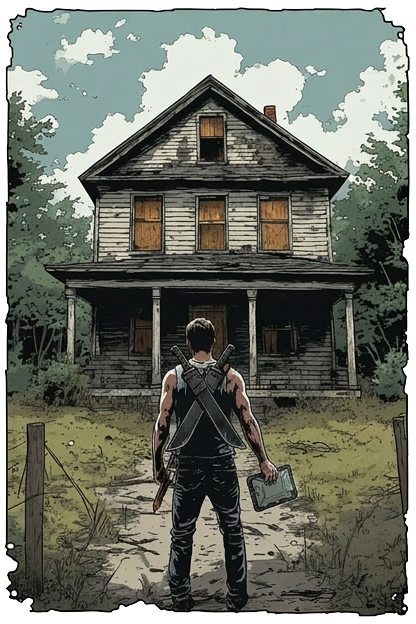
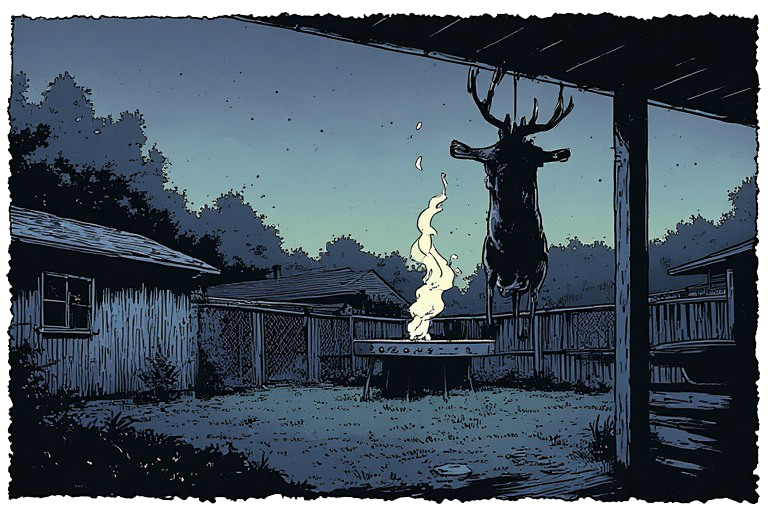
Donovan is thirty years old and has been living alone — just him, three dogs, and a
compound he designed and built himself — for over four years in a suburban neighborhood
that looks nothing like it used to. He was a freelance programmer before Day Zero. Now
he is something harder to name: a scavenger, a tactician, a man who tags cleared houses
with green spray paint and knows exactly how many seconds it takes to cross a yard at a
dead sprint and where the reanimated will follow and where they won't.
He is not a soldier. He was never trained for any of this. What he is is methodical,
quiet, and unusually good at staying alive.
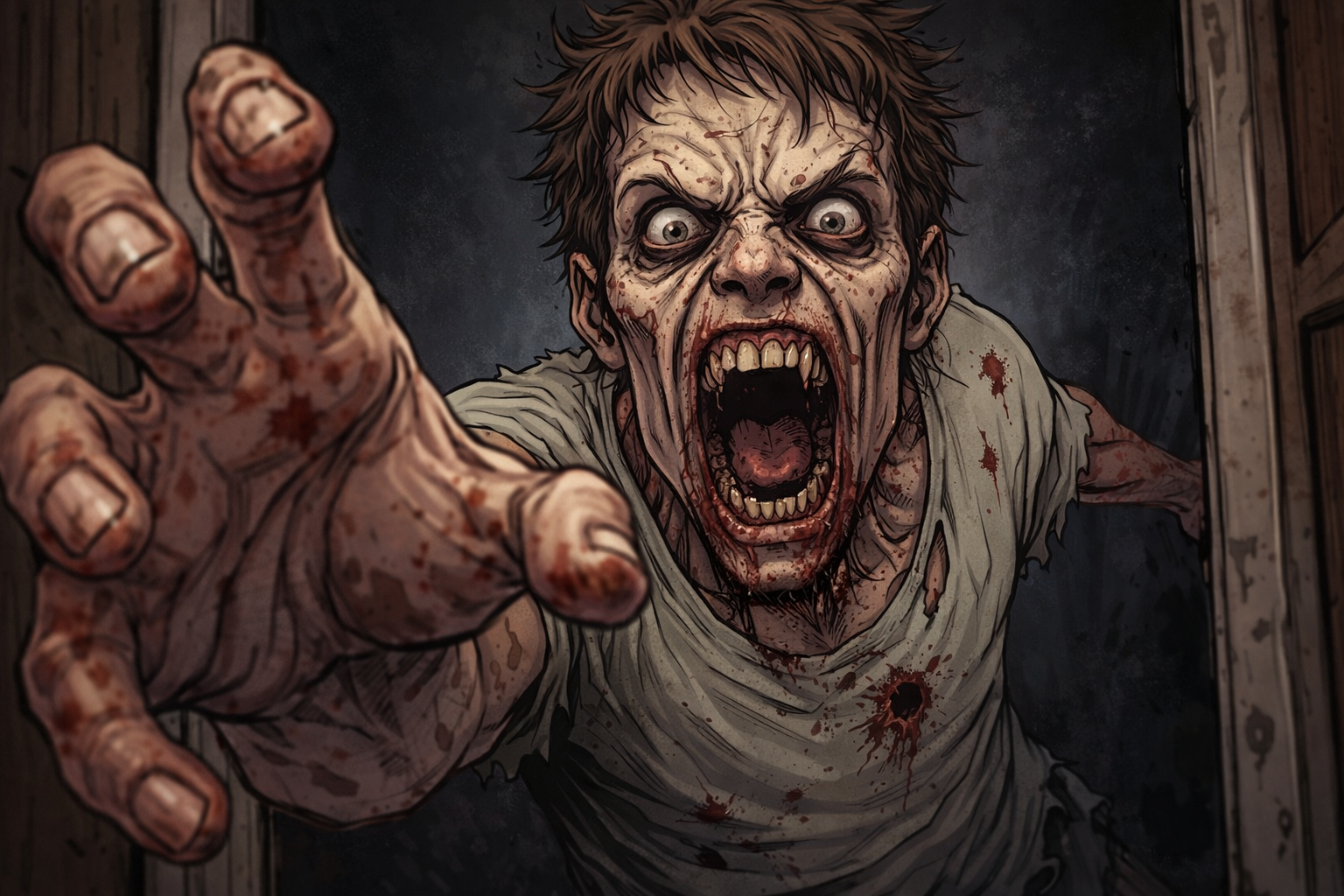
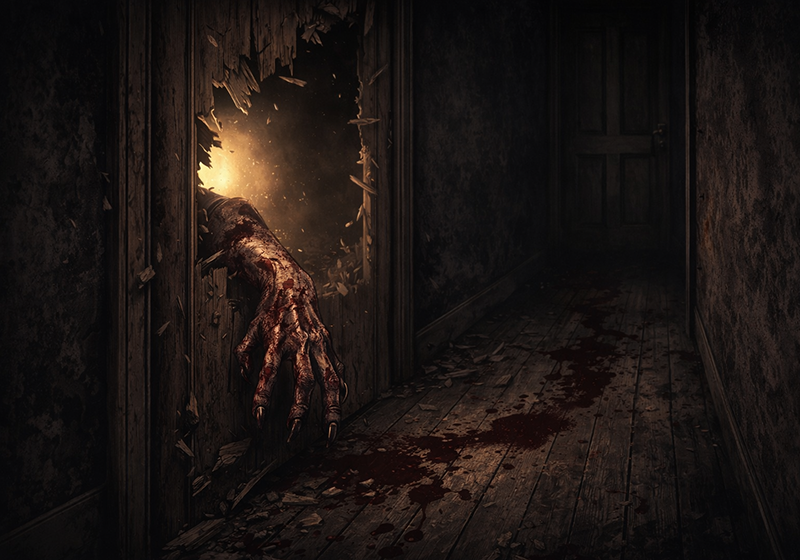
"He has noticed that something has changed.
That not all of them move the same way anymore."
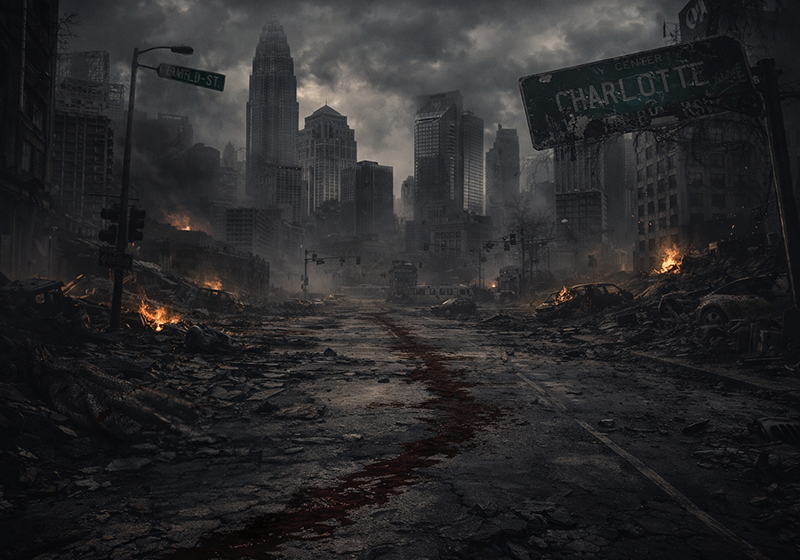
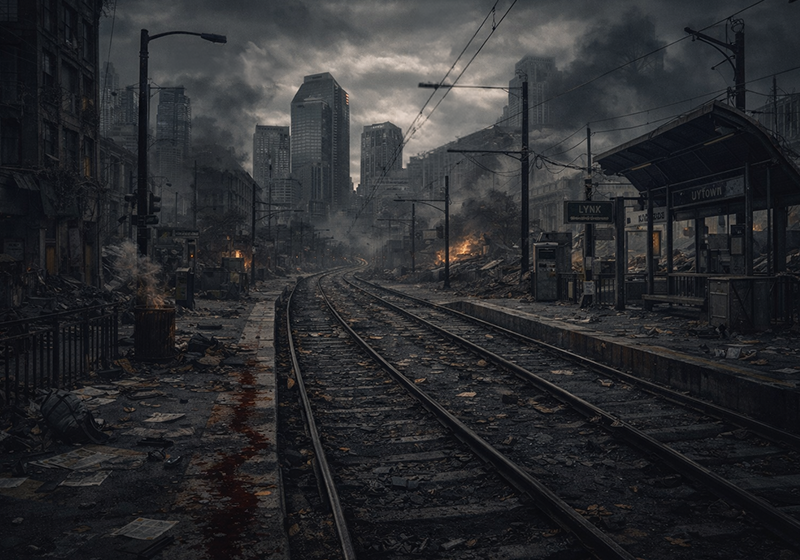
The world Donovan navigates is built with specificity and commitment. This is not a
setting that announces itself with sweeping descriptions of apocalyptic ruin — it reveals
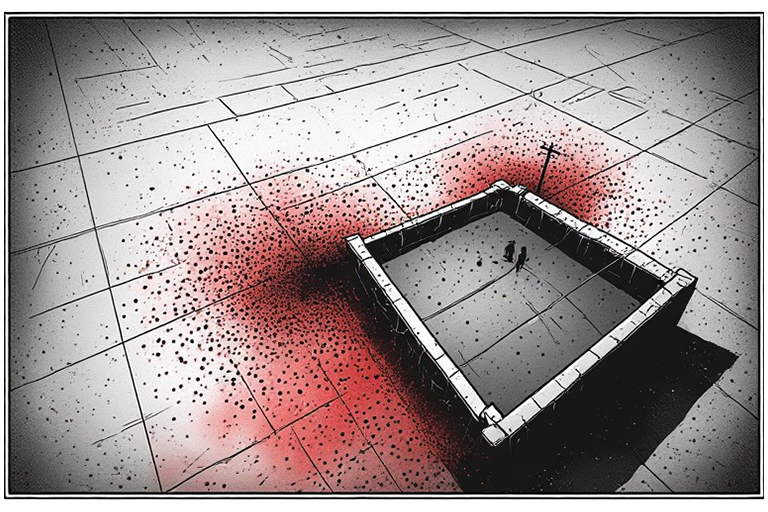
itself the way survival does, one cleared room at a time. The maze of razor wire and
scorched vehicles outside his compound. The hidden hinges on a door that looks like solid
plywood. The way the dogs behave when something is wrong before Donovan has a reason
to be nervous.
The dogs
Arch
A pointer mix who trusts everyone before Donovan does. First warning. First friend.
X
A Rottweiler who does not impress easily and is almost always right.
Chain
Came later, named in the field, still growing into her own.
The dogs are not backdrop. Arch, X, and Chain are as present and as carefully drawn as
any character in the story. They function as compass, early warning system, and — without
the novel ever once getting sentimental about it — the primary reason the compound has
a heartbeat at all.
The structure
The novel moves between two timelines: the present, set on a numbered day count following
the collapse, and the weeks before Day Zero — when Donovan was an ordinary person reading
news articles at three in the morning, building code for difficult clients, and exchanging
emails with a stranger in South Africa who had the same bad feeling about something nobody
could yet name.
Those early chapters do something rare in this kind of story. They earn the apocalypse.
By the time the world breaks, you have spent enough time in the life before it that the
loss has actual weight. The sense of humor that Donovan carries into the post-collapse
world — dry, flat, aimed mostly at the dogs — is the same one he had before.
That continuity is the whole point. The disaster did not create him. It revealed him.
"There is no romantic mythology around the end of the world —
no chosen-one logic, no convenient heroics.
Just a man and three dogs clearing houses one at a time."
The Republic of Reanimation is a work in progress, and it reads like a story
that knows exactly what it wants to be: lean, specific, and honest about how difficult
ordinary survival actually is. There is violence here, and it is handled without ceremony.
There is dark humor, and it arrives at exactly the wrong moment, which is exactly the
right moment.
This novel is for readers who want their post-apocalyptic fiction grounded, unhurried,
and respectful of the intelligence it took to survive. For readers who know the difference
between a pack and a pride of lions. For readers who have noticed that the interesting
question is never how the world ended — it is who keeps going after.